What Does Basane Leather Processing Involve?
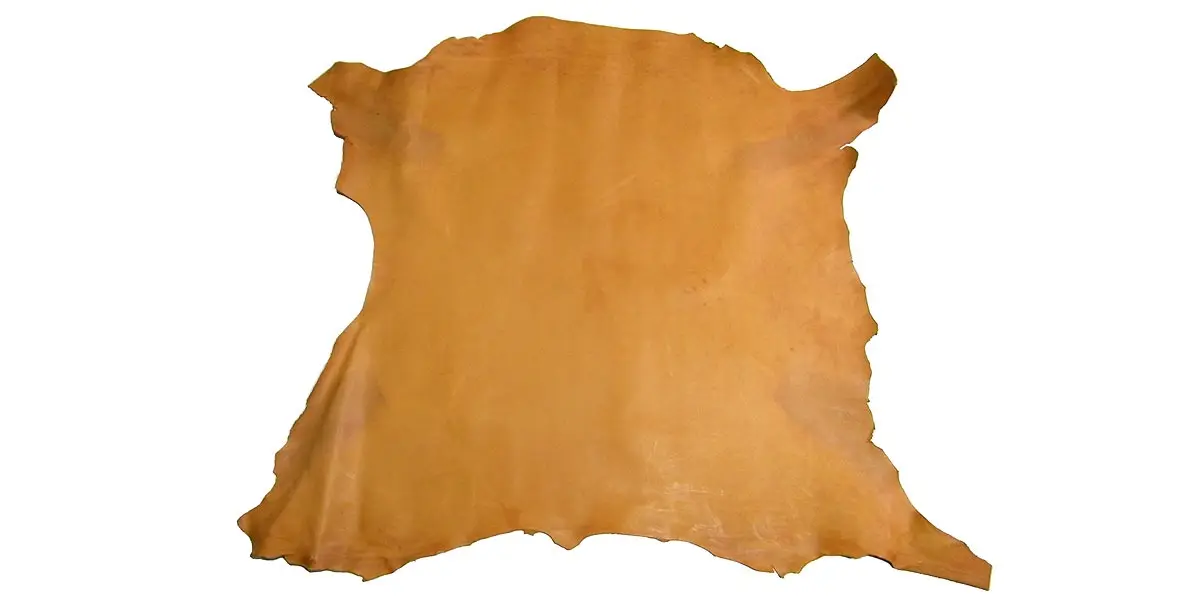
Basane leather processing includes all the stages that convert raw sheepskin into long-lasting upholstery leather. The objective is to stabilize the collagen fibers, preserve the natural grain and allow the leather to breathe and age gracefully.
Step 1 — Hide Selection & Preparation
Careful hide selection is essential. Only sheepskins with consistent grain and strong fiber structure are chosen. Proper preparation ensures that the leather can absorb tannins evenly during the vegetable tanning process.
Step 2 — Traditional Vegetable Tanning
The heart of basane leather processing lies in the vegetable tanning process. Natural tannins extracted from bark and plants gradually stabilize the leather fibers. Unlike faster industrial methods, this approach requires several weeks.
This slow tanning method produces chrome-free leather, allowing greater breathability and natural aging.
- Improved structural strength
- Enhanced flexibility
- Natural color depth
- Environmentally responsible tanning
Step 3 — Drying & Stabilization
After tanning, the leather must dry slowly under controlled conditions. This stage determines long-term flexibility and ensures the material will adapt perfectly to the curved shapes of a handcrafted club chair.
Step 4 — Dyeing & Finishing
Color is applied progressively to preserve the grain. Heavy surface coatings are avoided, allowing the leather to maintain authenticity and develop a refined patina over time.
These finishing techniques are fundamental to achieving heirloom-quality furniture.
Why Traditional Processing Matters
Proper basane leather processing ensures:
- Immediate seating comfort
- Adaptability to rounded silhouettes
- Long-term durability
- Restorability decades later
Learn how to preserve it in our basane leather care guide.
Vegetable-Tanned Basane vs Industrial Leather
| Criteria | Basane (Vegetable Tanned) | Industrial Leather |
|---|---|---|
| Tanning Method | Natural vegetable tannins | Often chrome-based |
| Patina | Evolving & natural | Often coated / static |
| Longevity | Decades with care | Variable |
An Heirloom Investment
Choosing traditionally processed basane leather means investing in furniture designed to last for generations. Explore our collection of leather club chairs crafted in full-grain basane.
FAQ – Basane Leather Processing
What is basane leather processing?
It refers to the traditional stages of transforming raw sheepskin into full-grain vegetable tanned leather suitable for premium furniture.
How long does vegetable tanning take?
The vegetable tanning process typically requires several weeks, allowing fibers to stabilize naturally.
Is basane leather chrome-free?
Yes. Traditional vegetable tanning produces chrome-free leather, enhancing breathability and natural patina.
Does processing affect durability?
Yes. Proper processing directly impacts flexibility, strength and the leather’s ability to age beautifully.