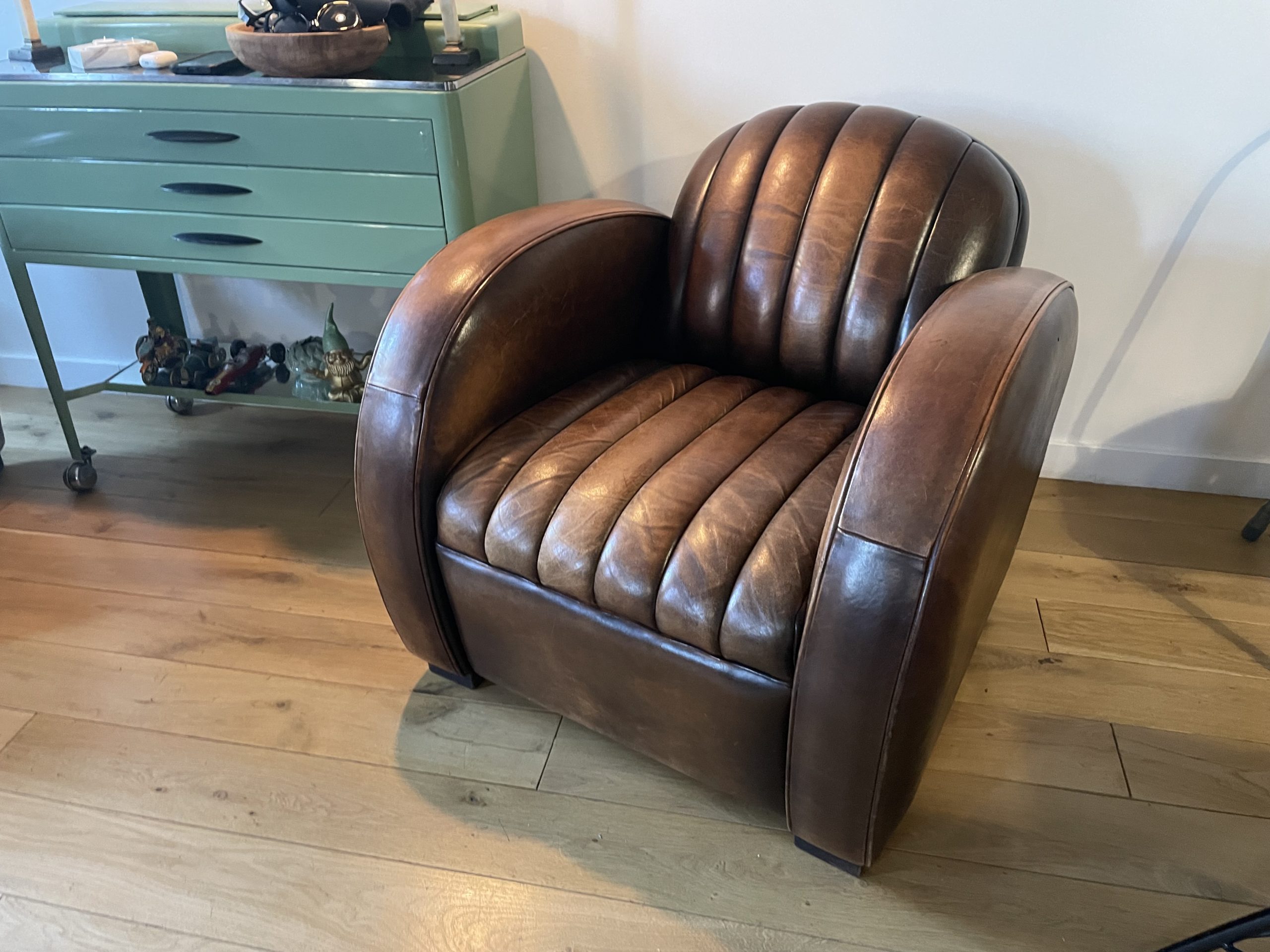

During the 1980s, the club chair enjoyed a real revival. After several decades dominated by modernism and minimalist lines, interiors began to return to warmer, more comfortable and more authentic furniture. The club chair naturally regained its place in living rooms, offices and libraries.
This period marked an important turning point: the club chair was no longer seen only as an old piece of furniture, but as a timeless decorative icon. To better understand this revival, discover our complete guide to the history of the club chair.
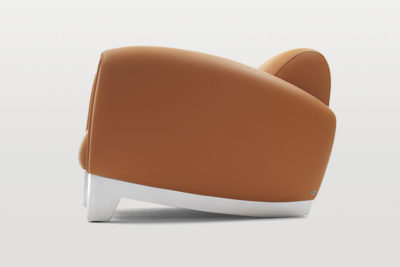
The DS57 by Franz Romero revisits the spirit of the club chair with generous lines, elegant leather and an iconic silhouette inspired by 1980s design.
Why did the club chair return in the 1980s?
Interior design trends of the 1980s balanced bold modernity with a renewed taste for character and comfort. In this context, the club chair appealed for several reasons:
- Its generous comfort, with a deep and enveloping seat.
- Its patinated leather, appreciated for its rich and authentic look.
- Its reassuring style, perfect for warmer interiors.
- Its timeless image, blending tradition and elegance.
While some highly fashionable furniture quickly became outdated, the club chair moved through changing trends without ever losing its charm.
The style of club chairs in the 1980s
During this decade, several versions coexisted, reflecting changing tastes and lifestyles.
Restored antique models
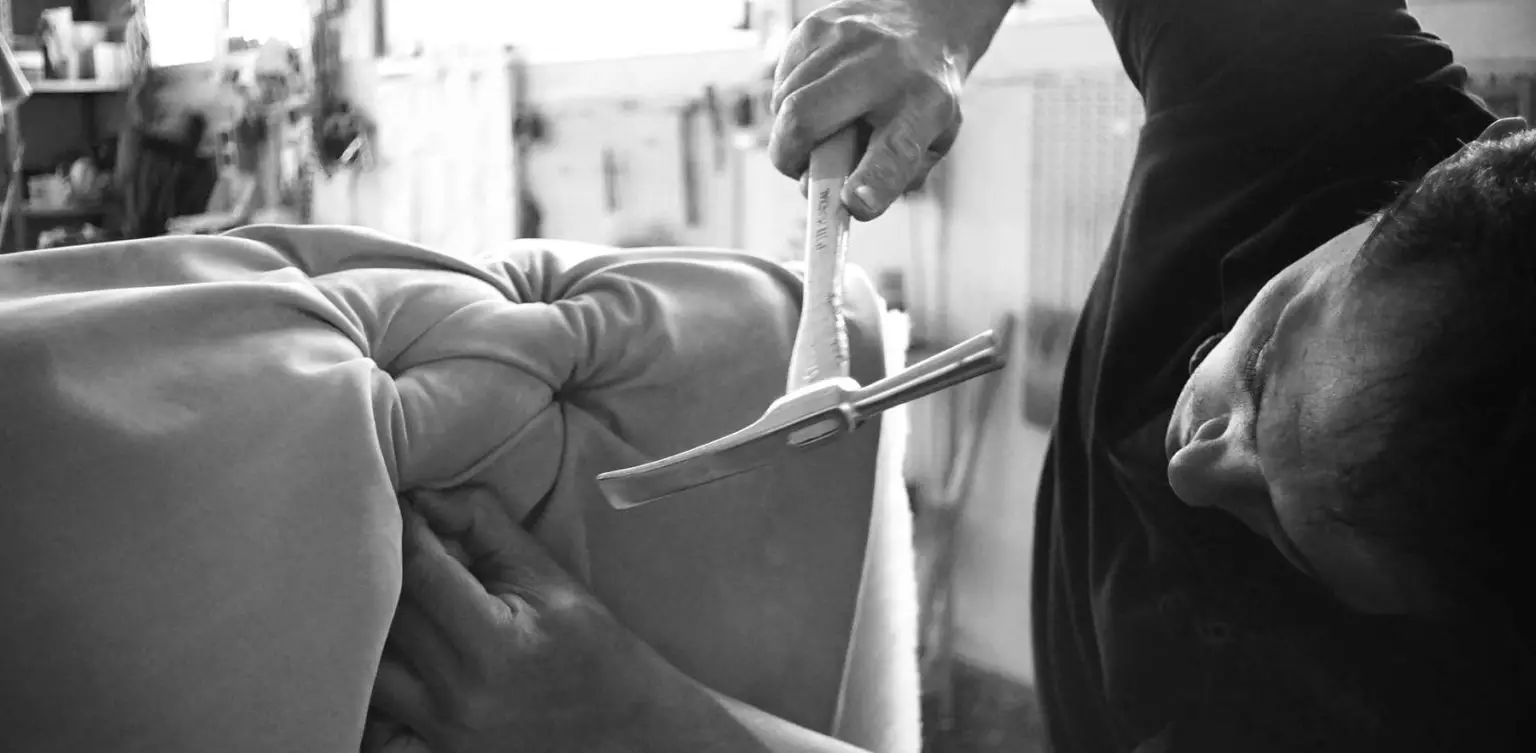
Many club chairs originally made between the 1930s and 1950s were restored. Their solid wood frames were preserved, while leather or padding was sometimes replaced to extend their lifespan.
Reissues inspired by classic models
Some manufacturers launched new chairs that reused the traditional codes of the club chair: rounded shapes, thick armrests, low seating and brown, Havana or cognac leather.
More contemporary variations
Other models adopted cleaner and straighter lines, better suited to 1980s interiors while still preserving the comfortable spirit of the club chair.
Iconic colors of 1980s club chairs
The most common shades remained close to the traditional club chair universe, with rich and elegant tones:
- Chocolate brown
- Havana brown
- Cognac
- Honey
- Patinated black
These colors pair beautifully with wood, brass, bookcases and thick fabrics, all very popular in interiors of the period.
1980s club chair: a good buy today?
Yes, some club chairs produced during the 1980s are now excellent opportunities for both vintage lovers and enthusiasts of character furniture.
- Often more affordable than a 1930s model
- Still robust construction on many pieces
- Leather that has often developed a beautiful patina
- Increasingly sought-after vintage style
Before buying, it remains essential to check the condition of the leather, seat and frame.
How to recognize a 1980s club chair
Several details can help identify a club chair from the 1980s:
- Slightly wider and more generous proportions
- Modern foam padding instead of traditional horsehair filling
- Thick leather in brown, cognac or Havana tones
- Sometimes more industrial manufacturing depending on the model
- Generally softer seating comfort
Today’s view of 1980s club chairs
Today, 1980s furniture is gradually returning to interior design trends. Club chairs from this period benefit from a double advantage: they retain the DNA of the historic model while often offering more modern comfort.
They easily find their place in a contemporary living room, office or elegant bedroom, bringing warmth, authenticity and character.
FAQ – 1980s Club Chairs
Do 1980s club chairs have value today?
Yes, especially well-preserved models made of genuine leather with a solid frame. Their value is increasing with the growing interest in vintage furniture.
Are 1980s club chairs comfortable?
Often yes. Many models use more modern foam padding that provides soft and pleasant everyday comfort.
What is the difference between a 1980s club chair and an antique club chair?
Older models generally use traditional handcrafted techniques and have higher collectible value. 1980s club chairs tend to focus more on comfort and more standardized production.
Should a 1980s club chair be restored?
Only if the leather is damaged, the seat has sagged or the frame is weakened. A well-preserved model is often worth keeping with its original patina.