
Why Club Chair Manufacturing Matters
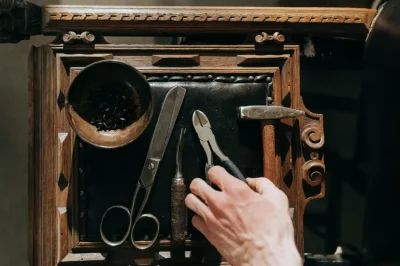
A Club chair is designed to last. Its quality does not depend only on appearance, but mainly on what cannot be seen immediately: the solid wood frame, the webbing, the padding, the quality of the leather and the care given to the finishing touches.
A well-made chair offers deep comfort, long-term durability and a patina that becomes more beautiful over time. On the other hand, a model built with lower-grade materials or mass-production methods may quickly lose comfort and elegance.
The Wooden Frame: The Foundation of the Club Chair
Everything begins with the frame, generally made from solid wood. This internal structure forms the foundation of the chair and guarantees long-lasting strength.
Craftsmen favor robust wood species capable of handling everyday use. Beech wood is especially valued in Club chair manufacturing for its density, stability and mechanical resistance.
The quality of the frame is essential: a well-built Club chair can last for decades, especially when properly maintained or restored.
Webbing: A Key Step for Comfort
Once the frame is complete, webbing reinforces the seat. This consists of stretching strong straps between the chair’s structural parts to create a supportive yet flexible base.
This step plays a decisive role in overall comfort. Proper webbing creates a seat that is both resilient and pleasant, while distributing weight evenly. It is an essential foundation before padding is added.
Padding: Traditional Horsehair or Modern Foam
The padding gives the Club chair its signature comfort and welcoming feel.
Traditionally, craftsmen used vegetable fiber or horsehair stuffing, appreciated for resilience, breathability and durability. This type of filling is associated with premium handcrafted furniture.
Today, some models use modern foam, especially high-resilience foam. It can offer excellent comfort with a more uniform seat and often at a lower cost. However, not all foam qualities are equal, and entry-level models may be less durable.
The choice of padding directly affects comfort, lifespan and the overall spirit of the chair.
Leather Work: A Defining Stage
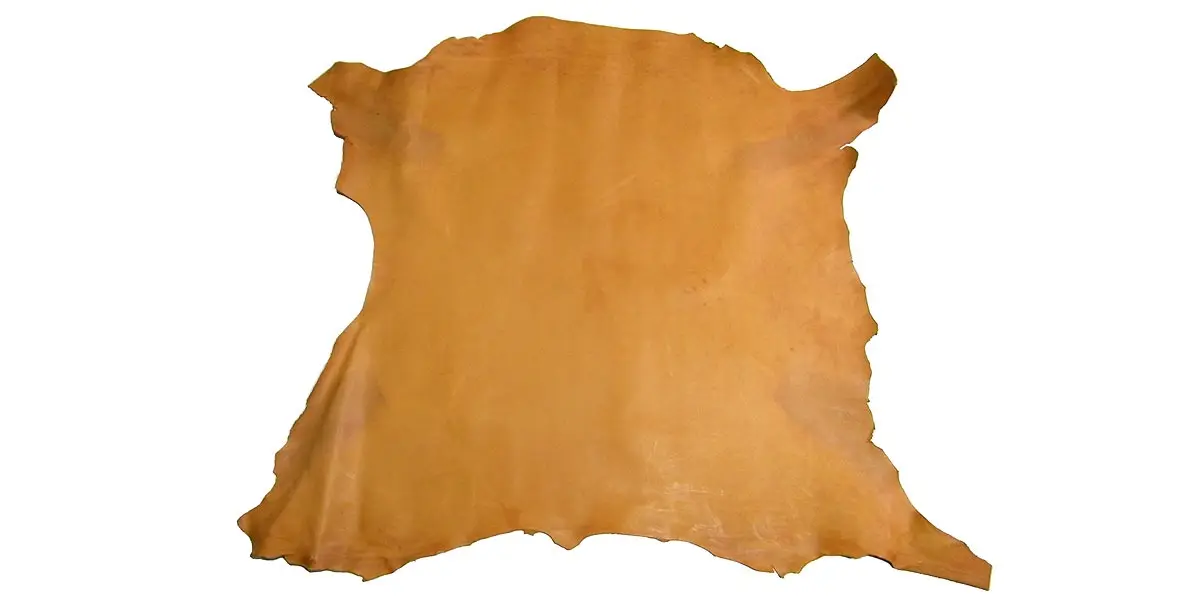
Leather is the most visible element of a Club chair. It is carefully selected and then shaped to perfectly fit the curves of the frame.
Basane leather, a traditional soft leather, is especially appreciated for its supple feel, natural touch and ability to develop a rich patina over time. Each chair gradually gains a unique appearance.
Full-grain leather remains the benchmark for high-quality Club chairs. It preserves the finest outer layer of the hide, displays authentic grain and offers excellent resistance to wear.
👉 To learn more, discover which full-grain leather to choose for a Club chair.
Assembly and Finishing: Where Quality Shows
Once all stages are complete, the chair is assembled and finalized. Finishing details are essential: stitching, leather tension, balanced proportions, decorative nails, dyeing and patina.
These details are what distinguish a high-quality Club chair from a standard model. Good finishing is not only aesthetic—it also contributes to durability and overall harmony.
Premium Materials Behind a Quality Club Chair
The quality of a Club chair relies on the combination of several carefully selected materials:
- Solid wood for structural strength;
- Webbing to support the seat;
- Padding for comfort and resilience;
- Full-grain leather or basane leather for appearance, touch and durability;
- Handcrafted finishes that give each chair unique character.
A premium Club chair is recognized by the balance of all these elements. Beautiful leather alone is not enough if the frame or padding is poor.
Handcrafted vs Industrial Manufacturing: What’s the Difference?
Today there are two main production methods:
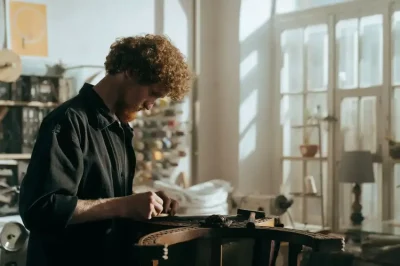
- Handcrafted manufacturing: traditional techniques, superior quality, careful joinery, premium materials and greater durability.
- Industrial manufacturing: faster production, lower costs and standardized methods, but often less customization and more variable longevity.
A handmade Club chair usually stands out for better construction, greater comfort and the ability to age beautifully. It fits a durable furniture philosophy rather than disposable consumption.
Club Chair Restoration: Extending the Life of a Fine Piece
Because it is built to last, a Club chair can often be restored rather than replaced. A well-executed renovation can revive the frame, padding or leather while preserving its original charm.
Restoration may involve:
- repairing the wooden frame;
- replacing webbing or padding;
- repairing or replacing leather;
- refreshing finishes and patina.
This approach is especially valuable for vintage or high-quality chairs whose structure deserves to be preserved.
Why Manufacturing Directly Impacts Quality
Every production stage directly affects the final quality of the chair. A strong frame, properly installed webbing, suitable padding and quality leather ensure lasting comfort and beautiful aging.
Choosing a Club chair also means choosing a manufacturing philosophy and a level of craftsmanship. That is what separates a merely decorative chair from a true statement piece built to last for years.
👉 Also read how to choose the right Club chair.
FAQ – Club Chair Manufacturing
How long does it take to make a Club chair?
Handcrafted production can take several days or even several weeks depending on the level of finish, the leather selected and custom options. Each stage is completed carefully to ensure a durable, premium result.
What wood is used for a Club chair?
Club chairs are usually built from solid wood, with beech being the traditional favorite thanks to its density, strength and long-term stability.
What is the best padding for a Club chair?
Traditional horsehair or natural fiber padding is prized for durability and breathability. High-resilience foam is also an excellent modern option offering consistent comfort and easier maintenance.
What is the difference between full-grain leather and basane?
Full-grain leather is the highest-quality outer layer of the hide, preserving natural grain and strength. Basane is a softer traditional leather appreciated for its supple feel and elegant patina.
Can a Club chair last a lifetime?
Yes. A well-made Club chair built from quality materials can last for decades. With proper care and occasional restoration, it can even be passed down through generations.
Can an old Club chair be restored?
Yes. Most vintage Club chairs can be restored if the frame is still sound or repairable. Padding, leather and finishes can all be renewed while preserving authenticity.